
































Israeli Defence Chief Challenges Netanyahu Over Gaza's Future
The Israel-Hamas conflict has intensified since its outbreak on October 7, causing substantial casualties and displacement. Israeli Prime Minister Benjamin Netanyahu faces increasing demands from critics and international allies, particularly the United States, to develop a postwar plan for Gaza. Defence Minister Yoav Gallant's opposition to the government's strategy has sparked political discord, especially among Netanyahu's far-right coalition partners. As fighting rages in Gaza, particularly in Rafah, the humanitarian crisis worsens, with allegations against the UN for alleged cooperation with Hamas further complicating the situation. The conflict has also seen Hezbollah's involvement through drone attacks, prompting Israeli airstrikes in Lebanon. Hamas leader Ismail Haniyeh has criticized Israel for impeding ceasefire negotiations, insisting on conditions for a permanent cessation of hostilities. The multifaceted nature of the conflict underscores the challenges in achieving a last

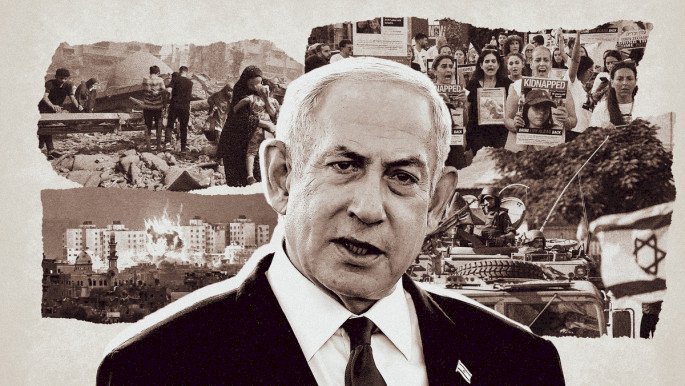
The Israel-Hamas war, which erupted on October 7, has plunged the region into chaos, resulting in significant loss of life and extensive destruction. Palestinian militants launched a devastating attack on southern Israel, killing around 1,200 Israelis and taking 250 hostages. This conflict has escalated, leading to intense fighting across Gaza, with both domestic and international pressures mounting on Israeli Prime Minister Benjamin Netanyahu to present a clear plan for Gaza's future. Amidst the conflict, Israeli Defence Minister Yoav Gallant's challenge to Netanyahu's postwar strategy has caused political upheaval within the Israeli government, while the humanitarian crisis in Gaza continues to deepen.
Background of the Conflict
The Israel-Hamas war, which began on October 7, has resulted in significant casualties and hostilities. Palestinian militants initiated the conflict with a violent attack on southern Israel, killing approximately 1,200 Israelis, predominantly civilians, and taking around 250 hostages. The conflict has since escalated, with intense fighting across various regions of Gaza, including areas previously declared under control by Israeli forces.
Domestic and International Pressure on Netanyahu
Israeli Prime Minister Benjamin Netanyahu is under mounting pressure from both domestic critics and international allies, particularly the United States, to outline a comprehensive plan for the governance, security, and reconstruction of Gaza post-conflict. This demand for a clear postwar strategy has grown more urgent as fighting continues to flare up in multiple areas, notably in the southern city of Rafah, causing large-scale displacement.
Defence Chief’s Challenge and Political Repercussions
Israeli Defence Minister Yoav Gallant has openly challenged Netanyahu's approach to Gaza's future. This has led to significant political tension within Netanyahu's government, especially among his far-right coalition partners. Finance Minister Bezalel Smotrich, a prominent figure in the coalition, has called for Gallant's dismissal unless he aligns with the government's stance against involving the West Bank-based Palestinian Authority in Gaza's postwar governance.
Humanitarian Crisis and Disputes Over UN Involvement
Netanyahu has downplayed reports of a humanitarian crisis in Rafah, despite the evacuation of nearly 500,000 residents due to ongoing clashes. Concurrently, Israeli forces have accused the United Nations Relief and Works Agency (UNRWA) of collaborating with Hamas, an allegation vehemently denied by UNRWA. This dispute underscores the complexities of international involvement in the conflict.
Intensified Fighting in Gaza
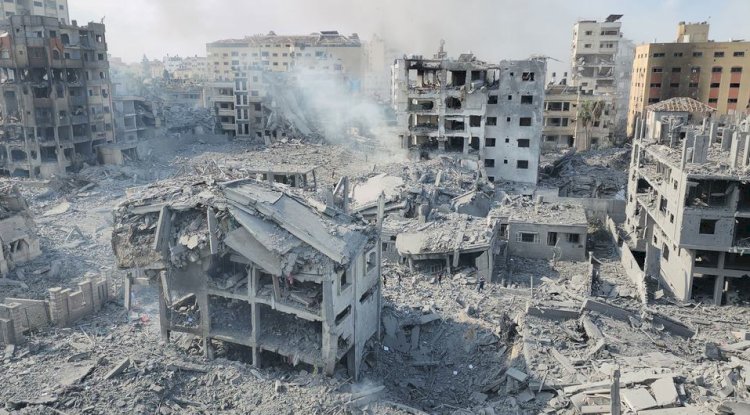
The conflict has seen a resurgence of intense fighting, with Israeli troops engaging militants across Gaza, including the heavily contested southern city of Rafah. Residents report widespread destruction in areas like the northern Jabalia district, where Israeli tanks have faced stiff resistance from Hamas and Islamic Jihad fighters.
Hezbollah’s Involvement and Broader Regional Tensions
Hezbollah has escalated its involvement by launching a drone attack on an Israeli military base near Tiberias, marking a significant deepening of the conflict. This prompted Israeli airstrikes in Lebanon's Baalbek region, a known Hezbollah stronghold, leading to some of the most extensive bombardments in that area since the war's onset.
Hamas' Stance on Ceasefire Negotiations
Hamas leader Ismail Haniyeh has blamed Israel for the stalled ceasefire talks, emphasizing the group's key demands for a permanent end to the Israeli offensive in Gaza. Haniyeh has indicated a willingness to continue mediation efforts but remains firm on Hamas' conditions for any ceasefire agreement.
Conclusion
As the Israel-Hamas war continues to unfold, the situation remains volatile with significant humanitarian, political, and military dimensions. The challenges faced by Netanyahu's government in addressing the postwar future of Gaza, coupled with ongoing regional tensions and international scrutiny, highlight the complexities of achieving a lasting resolution to the conflict.