


























The Dynamics of India's 2024 Lok Sabha Elections: A Comprehensive Overview
The 2024 Lok Sabha elections in India saw the BJP-led NDA securing 292 seats against the Opposition alliance INDIA's 232, resulting in a hung parliament. Uttar Pradesh emerged as a crucial battleground, followed by Maharashtra and West Bengal. With no single party crossing the majority mark, the onus is on coalition politics for governance. Challenges encompass diverse socio-political demands, while opportunities lie in adept governance. As the NDA's term ends on June 16, 2024, the incoming government faces the mandate of steering India towards progress amidst a vibrant democratic landscape.

Introduction:
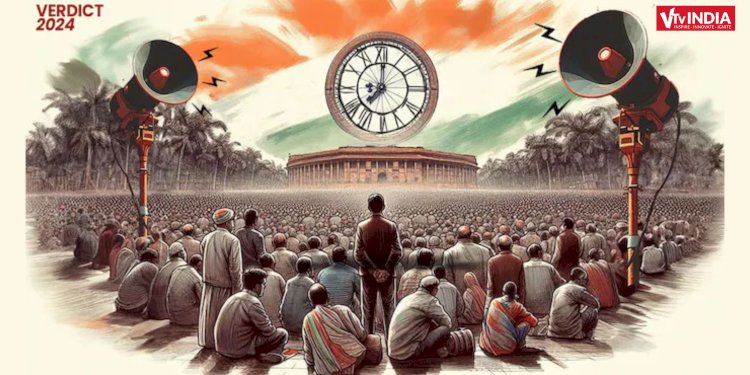
The recently concluded Lok Sabha elections in India have once again showcased the vibrancy of the world's largest democracy. With over 90 crore voters exercising their franchise, the electoral process unfolded amidst anticipation and fervor. The results have delineated a complex political landscape, reflecting the aspirations and choices of a diverse populace.
Key Players and Results:
In the electoral arena, the BJP-led National Democratic Alliance (NDA) emerged victorious, securing 292 seats in the 543-member Lok Sabha. The Opposition alliance, INDIA, put up a formidable fight, clinching 232 seats. Uttar Pradesh, with its 80 constituencies, stood as the pivot, followed by Maharashtra, West Bengal, and Bihar.
Regional Dynamics:
Uttar Pradesh, the most populous state, played a pivotal role in shaping the electoral outcome. The Samajwadi Party (SP) garnered 37 seats, closely followed by the BJP with 33. In West Bengal, the Trinamool Congress (TMC) asserted its dominance by winning 29 seats, while the BJP made significant inroads with 12 seats. Maharashtra witnessed a nuanced contest, with the Congress emerging as the leading party with 13 seats, followed closely by the BJP and Shiv Sena.
Implications of the Hung Parliament:
With no single party or alliance crossing the majority mark of 272 seats, India now faces the prospect of a hung parliament. This scenario underscores the imperative for consensus-building and coalition politics, necessitating alliances and negotiations to form a stable government.
Challenges and Opportunities:
The fragmented mandate presents both challenges and opportunities for the political landscape. While it reflects the diverse socio-political fabric of India, it also necessitates adept governance and inclusive policymaking. The onus lies on the elected representatives to prioritize the welfare of the citizens and address pressing issues such as economic revival, healthcare, and national security.
Road Ahead:
As the NDA's current term draws to a close on June 16, 2024, the incoming government faces the task of steering the nation towards progress and prosperity. The democratic mandate bestowed by the electorate underscores the collective aspirations for a brighter future. It is incumbent upon the political leadership to honour this trust and work towards realizing the vision of a resurgent India.
Conclusion:
The 2024 Lok Sabha elections have underscored the dynamism of Indian democracy, characterized by spirited contests and diverse electoral outcomes. As the nation charts its course forward, the onus lies on the political fraternity to uphold the principles of democracy and serve the interests of the people diligently. In this journey towards progress, unity, and inclusivity shall pave the way for a stronger, more resilient India.